Around a quarter of cars fail their MOT test each year, and the frustrating part is that most failures come down to a handful of easily preventable faults. A blown bulb, a worn tyre, or a low washer fluid level can be enough to send you home with a fail certificate and another test fee to pay.
This guide breaks down the most common reasons cars fail their MOT, based on real DVSA testing data, along with a simple checklist you can run through before your next test.
Quick Answer
The single most common reason cars fail their MOT is a lighting or signalling fault, affecting nearly one in five vehicles tested. Tyre condition, brake performance, suspension issues and emissions problems make up most of the remaining common failures, and the majority of these can be checked and fixed before your test appointment.
How Common Is an MOT Failure?
Roughly one in four cars fails its MOT test on the first attempt, according to DVSA testing data. While that might sound high, the vast majority of failures involve minor, inexpensive faults rather than major mechanical problems, and most can be identified with a simple check beforehand.
Top Reasons Cars Fail, Ranked by DVSA Data
| Fault Category | Approximate Share of Failures | Typical Fix Cost |
|---|---|---|
| Lighting and signalling | Nearly 1 in 5 tests | £5 to £30 (bulb replacement) |
| Tyres | Very common, especially tread depth | £40 to £120 per tyre |
| Brakes | Common, especially handbrake efficiency | £60 to £200 |
| Suspension | Featured in roughly 1 in 10 tests | £80 to £300 |
| Visibility (windscreen, wipers, washers) | Common, often overlooked | £5 to £150 |
| Emissions | More common in older or diesel vehicles | £50 to £250+ |
Lighting and Signalling Faults
Lighting is the single most common cause of MOT failure. This includes faulty headlights, brake lights, indicators and even registration plate lights. Many of these faults come down to a single blown bulb, which is one of the cheapest and quickest fixes on this list, yet it remains the leading cause of failure simply because it is so easy to overlook.
Tyre Tread and Condition
Tyres are a frequent cause of failure for several distinct reasons. The legal minimum tread depth in the UK is 1.6mm across the central three-quarters of the tyre, and any tyre below this fails automatically. Cuts, bulges, or exposed inner plies and steel belts are also automatic failures, as is having tyres of noticeably different sizes fitted to the same axle.
Brakes and Handbrake Efficiency
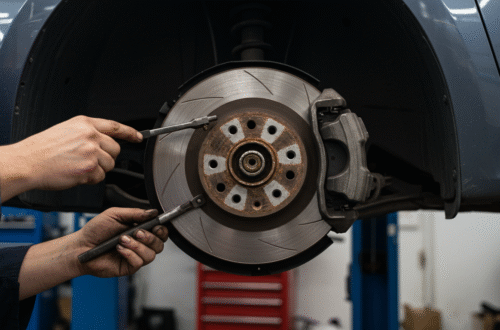
Brake-related failures often centre on handbrake efficiency rather than the main footbrake. A handbrake that does not hold the vehicle securely enough during the test is one of the most frequently recorded faults across UK vehicles. Warning signs to check before your test include the car pulling to one side when braking, grinding or scraping noises, and a spongy or unresponsive brake pedal.
Suspension Issues
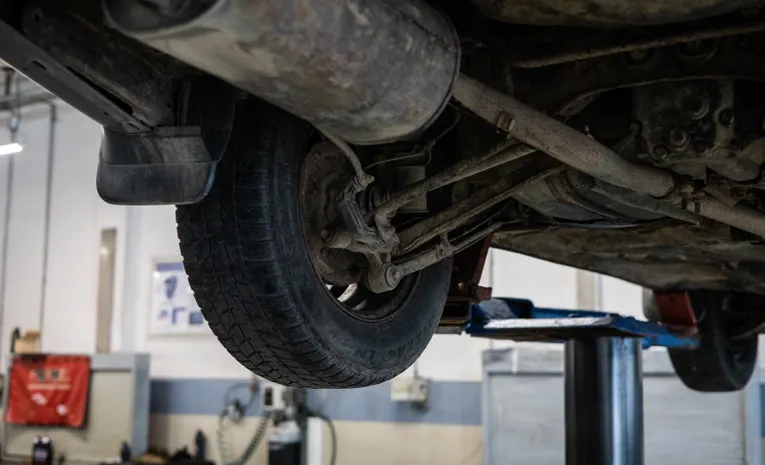
Suspension problems, including worn joints, springs and shock absorbers, feature in roughly one in ten MOT tests. Since suspension wears down gradually, many drivers do not notice a problem until it has become significant enough to cause a fail. Unusual noises over bumps, or the car feeling less stable through corners, can both be early indicators worth having checked.
Windscreen and Visibility
Even small windscreen damage can cause a failure if it sits within the driver’s direct line of sight, so it is worth checking for chips or cracks before your test. Items obscuring the view, such as stickers, phone cradles or dashcams placed incorrectly, can also cause a fail. Low washer fluid, a surprisingly common and entirely avoidable fault, is another frequent cause that takes moments to fix.
Emissions Failures
Emissions faults are more common in older vehicles and diesels, particularly if the engine has not been serviced recently. A loose or leaking exhaust, or an engine running an incorrect fuel-to-air mixture, can both trigger an emissions failure. A pre-test service, particularly for older diesel vehicles, often resolves this before it becomes an issue on test day.
Pre-MOT Checklist You Can Do at Home
Before booking your MOT, check that all lights work correctly, including indicators and number plate lights. Check tyre tread depth across all four tyres and inspect for visible damage. Top up your washer fluid and check wiper blades for damage. Inspect the windscreen for chips or cracks within the driver’s sightline. Test the handbrake for firm engagement, and listen for unusual noises from the suspension over bumps. These checks take only a few minutes but can prevent the most common reasons for failure.
What Happens If You Fail
If your car fails its MOT and the current certificate has not yet expired, you can usually still drive it away, provided the fault does not make it dangerous to drive. If the certificate has expired, or the fault is classed as dangerous, the car cannot legally be driven except to a pre-booked repair appointment. Most testing centres offer a free or reduced-cost partial retest if you return within a set number of working days, so it is worth asking about this before arranging repairs elsewhere.
Expert Insight
Mechanics who carry out pre-MOT checks often note that the majority of failures they see could have been avoided with a five-minute walk-round check the week before the test. Lighting, tyre tread and washer fluid in particular are faults that cost almost nothing to fix in advance but frequently catch drivers out simply because they are easy to forget about between annual tests.
Frequently Asked Questions
What is the most common reason cars fail MOT? Lighting and signalling faults are the most common cause, affecting nearly one in five vehicles tested, often due to something as simple as a blown bulb.
Can I drive my car home if it fails MOT? If your current MOT certificate has not expired and the fault is not classed as dangerous, you can usually still drive the car. If the certificate has expired or the fault is dangerous, you can only legally drive to a pre-booked repair.
How much does it cost to fix an MOT fail? Costs vary widely depending on the fault, from a few pounds for a replacement bulb to £200 or more for brake or suspension repairs. Checking common fault areas beforehand can help you budget and avoid surprises.
Can I get a free retest after an MOT failure? Many testing centres offer a free or reduced-cost partial retest if you return within a set number of working days after fixing the fault, though this varies by centre, so it is worth checking in advance.
What tyre tread depth do I need to pass an MOT? The legal minimum is 1.6mm across the central three-quarters of the tyre. Many garages recommend replacing tyres before they reach this limit, since grip reduces noticeably as tread wears down.
Printable Pre-MOT Checklist
- All lights working, including indicators and number plate light
- Tyre tread at least 1.6mm on all four tyres, no visible damage
- Washer fluid topped up, wipers in good condition
- Windscreen free of chips or cracks in the driver’s sightline
- Handbrake holds firmly, no pulling when braking
- No unusual noises from suspension over bumps
- Recent service completed, especially for older or diesel vehicles
A few minutes of checking before your test appointment can be the difference between a straightforward pass and an unnecessary second visit.
For more on keeping your car roadworthy, see our guides on how long brake pads should last and car battery signs and lifespan.