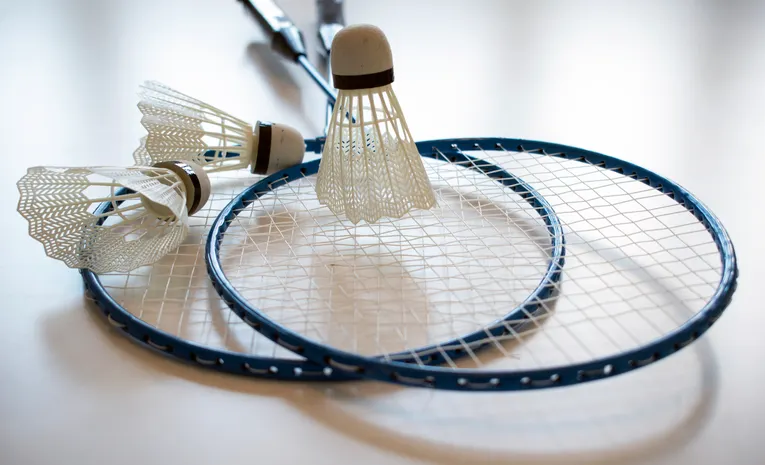
Two identical rackets can feel completely different to play with, and string tension is usually the reason why. Get it right and your shots feel controlled and powerful. Get it wrong and you will either lose power on every clear or watch your strings snap after a handful of mishits.
This guide explains what string tension actually does, how to choose the right level for your game, and when it is time to restring.
Quick Answer
Beginners should generally choose a lower string tension, around 18 to 23lbs, since this creates a larger sweet spot that is more forgiving of mishits and easier to generate power with. More advanced players who can consistently hit the sweet spot often prefer higher tensions, typically 24 to 28lbs or more, for greater control and precision, though always within your racket’s maximum recommended tension.
What String Tension Actually Means
String tension refers to how tightly the strings are pulled and clamped into the racket frame when strung. Higher tension creates a stiffer, more rigid string bed, while lower tension allows the strings to flex more, similar to a trampoline. This single setting affects power, control, feel and even how long your strings are likely to last before breaking.
Tension by Skill Level
| Skill Level | Recommended Tension | Why |
|---|---|---|
| Beginner | 18 to 23lbs | Larger sweet spot, more forgiving of mishits |
| Intermediate | 22 to 26lbs | Balance of power and growing control |
| Advanced | 26 to 30lbs+ | Maximum control for players who consistently hit the sweet spot |
Always check your specific racket’s maximum recommended tension before stringing, since exceeding it can damage the frame or cause it to crack.
Power vs Control: How Tension Affects Your Game
Lower tension strings flex more on impact, storing and releasing energy like a trampoline, which helps generate power with less physical effort. Higher tension strings are stiffer and flex less, giving you more precise control over where the shuttle goes, but only if your technique is consistent enough to reliably strike the sweet spot. This is why lower tension suits beginners and casual players, while higher tension tends to benefit players with more developed technique.
Choosing the Right String Type
Beyond tension, the string itself matters. Durability-focused strings are thicker and better suited to beginners, who are more likely to mishit and put stress on the strings outside the sweet spot. Power strings are softer and offer greater energy return, suiting players who like to hit hard. Control strings are stiffer, offering more precise shot placement for players focused on tactical, placement-based play.
Adjusting for Plastic vs Feather Shuttles
If you regularly play with plastic shuttles rather than feather ones, it is generally recommended to lower your string tension by 2 to 3lbs compared to what you would use with feather shuttles. Plastic shuttles require more effort to generate power, so a slightly lower tension helps compensate and keeps your shots feeling consistent across both shuttle types.
Mains vs Cross String Tension
Many stringers tension the cross strings roughly 10 percent higher than the main strings, which helps protect the shape and integrity of the racket head over time. For example, a racket strung at 30lbs on the mains might have the cross strings set at around 33lbs. This detail is worth discussing with your stringer, since not every player or racket benefits equally from this adjustment.
Signs It’s Time to Restring
A duller sound on contact, often described as a “thud” rather than a crisp “ping”, is one of the clearest signs your strings have lost tension. Visible notching, where the strings have cut into each other at the crossing points, indicates wear that increases the risk of sudden breakage. Fraying or fuzzy fibres on the string surface show the outer coating has worn away, reducing both performance and durability. As a general guideline, players who play three times a week should expect to restring at least three times a year.
Common Mistakes When Choosing Tension
Assuming higher tension is always better is one of the most common misconceptions, when in reality it only helps players who can consistently strike the sweet spot. Ignoring your racket’s maximum tension rating risks cracking the frame, which is a far more expensive mistake than a broken string. Sticking with the same tension indefinitely as your skill improves also means missing out on the control benefits that come with adjusting your setup as your technique develops.
Expert Insight
Experienced stringers often point out that string tension naturally decreases from the moment a racket is strung, a process known as tension creep. This means the tension you request is not the tension you will be playing with weeks later, which is part of why regular restringing, rather than treating it as a one-off decision, is a normal part of maintaining consistent performance.
Frequently Asked Questions
What string tension should a beginner use? Beginners generally benefit from a lower tension, around 18 to 23lbs, since this creates a larger sweet spot that is more forgiving of mishits and easier to generate power with.
Is higher string tension always better? No. Higher tension only provides real benefits, greater control and precision, if you can consistently hit the racket’s sweet spot. For players still developing consistent technique, higher tension often means less power and more broken strings.
Should I use different tension for plastic shuttles? Yes. It is generally recommended to lower your tension by 2 to 3lbs when playing with plastic shuttles compared to feather shuttles, since plastic shuttles require more effort to generate power.
How often should I restring my badminton racket? As a general guideline, players who play around three times a week should restring at least three times a year, though this varies based on playing style and how often mishits put stress on the strings.
What are the signs my badminton strings need replacing? A duller sound on contact, visible notching where strings cross, and fraying or fuzzy fibres on the string surface are all clear signs it is time to restring.
Quick Reference Table
| Factor | Lower Tension | Higher Tension |
|---|---|---|
| Best for | Beginners, casual players | Advanced players with consistent technique |
| Sweet spot size | Larger, more forgiving | Smaller, requires precision |
| Power | Easier to generate | Requires more effort |
| Control | Less precise | More precise |
| String durability | Generally longer-lasting | More prone to breaking on mishits |
Finding the right tension is a personal process that depends on your skill level, playing style and even the type of shuttle you use most. Starting lower and adjusting gradually as your technique develops is the safest way to find what genuinely works for your game.
For more on preparing your sports equipment properly, see our guide to how to knock in a cricket bat.