Search for Everest trekking online and you will quickly run into two similar-sounding names: Everest Base Camp and Advanced Base Camp. Many people assume they are the same place, or that Advanced Base Camp is simply a slightly harder version of the well-known Nepal trek. In reality, they are two quite different places, on two different sides of the mountain, serving two different purposes.
This guide explains exactly what Advanced Base Camp is, how it compares to Everest Base Camp, and what you need to know before planning any trip toward either one.
Quick Answer
Advanced Base Camp, or ABC, sits on the north side of Mount Everest in Tibet at around 6,400 to 6,500 metres and is used mainly by climbers preparing for a summit attempt. Everest Base Camp, or EBC, sits on the south side in Nepal at 5,364 metres and is the well-known trekking destination most travellers visit. ABC is higher, more remote and generally reserved for expedition climbers rather than standard trekkers.
What Is Advanced Base Camp (ABC)?
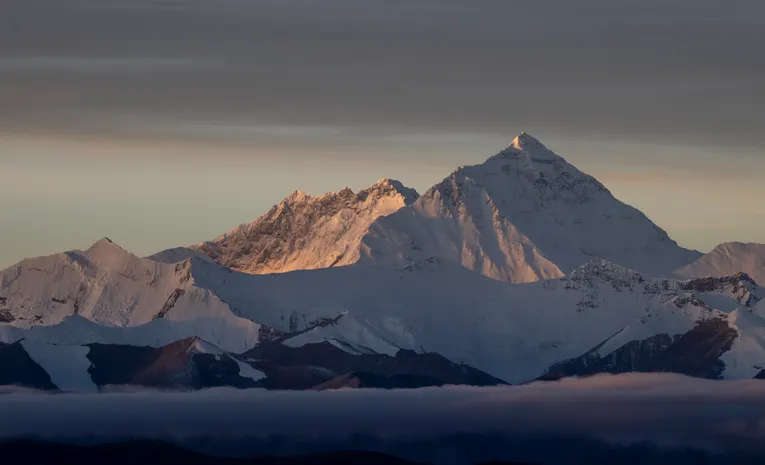
Advanced Base Camp is a staging point used by mountaineers on Everest’s north side, positioned significantly higher than the main base camp. Climbers move here after acclimatising lower down, using ABC as a launch point for the upper stages of a summit attempt. It sits on the Tibetan side of the mountain, near the Rongbuk Glacier, and is considerably more remote and logistically demanding to reach than its Nepal-side counterpart.
Because of its altitude and purpose, ABC is not a typical tourist trekking destination in the way Everest Base Camp has become. It exists primarily to support serious mountaineering expeditions.
Advanced Base Camp vs Everest Base Camp
The confusion between these two locations is understandable, since both sit on Everest and both include base camp in the name. The table below sets out the key differences clearly.
| Factor | Advanced Base Camp (ABC) | Everest Base Camp (EBC) |
|---|---|---|
| Side of the mountain | North (Tibet) | South (Nepal) |
| Altitude | Approximately 6,400 to 6,500 metres | 5,364 metres |
| Typical visitor | Mountaineering expedition climbers | Trekkers and hikers |
| Access | Requires expedition-level permits and support | Standard trekking permits |
| Difficulty | High altitude mountaineering, technical support required | Challenging but non-technical trek |
| Popularity | Niche, expedition-focused | One of the world’s most popular trekking destinations |
Where Is Advanced Base Camp Located?
ABC sits on the northern approach to Everest, in Tibet, positioned above the main north-side base camp and close to the Rongbuk Glacier. This route is entirely separate from the Nepal-side trekking trail that leads to the more commonly visited Everest Base Camp, and the two are not connected by any standard trekking or climbing route.
How High Is Advanced Base Camp?
At roughly 6,400 to 6,500 metres, Advanced Base Camp sits over a thousand metres higher than Everest Base Camp on the Nepal side. This altitude places it well into the range where altitude sickness becomes a serious consideration for anyone travelling there, and it is one of the key reasons ABC is reached only after a structured period of acclimatisation lower on the mountain.
Who Uses Advanced Base Camp?
Advanced Base Camp is used almost exclusively by mountaineers attempting to summit Everest via its north side, along with their support teams. It is not designed or maintained as a general tourist destination, and travelling there typically requires joining an organised mountaineering expedition with appropriate permits, equipment and experienced guides, rather than booking a standard trekking holiday.
Is the ABC Trek Currently Open?
Access to the north side of Everest, including routes toward Advanced Base Camp, has been subject to permit restrictions in recent years, with some tour operators noting that the EBC-to-ABC trekking route on the Tibetan side has faced temporary suspensions. Because permit status can change, anyone considering a trip toward ABC should confirm current access directly with a licensed Tibet-side tour operator or the relevant regional tourism authority before making any firm plans, rather than relying on older online information.
Altitude Sickness and Acclimatisation at This Elevation
At altitudes above 6,000 metres, the risk of altitude sickness, including more serious conditions such as High Altitude Pulmonary Oedema and High Altitude Cerebral Oedema, increases significantly. A widely used general guideline is to ascend no more than 300 to 500 metres per day once above 3,000 metres, with rest days built in regularly to allow the body to adjust. Expeditions heading toward ABC typically follow a carefully staged acclimatisation schedule for exactly this reason, since rushing the ascent at this altitude carries genuine safety risks.
Preparing for High-Altitude Trekking
Anyone considering high-altitude travel, whether toward ABC or a lower but still demanding destination like EBC, benefits from a period of physical preparation beforehand, including cardiovascular fitness training in the months leading up to the trip. Understanding the early symptoms of altitude sickness, such as headache, nausea and unusual fatigue, and knowing to descend if symptoms worsen, is essential. Travelling with an experienced guide or expedition team familiar with the specific route and altitude profile is strongly recommended rather than attempting high-altitude routes independently.
Alternatives If ABC Isn’t Accessible
For most travellers interested in experiencing the scale and atmosphere of Everest without joining a full mountaineering expedition, Everest Base Camp on the Nepal side remains the far more accessible and achievable option. It offers dramatic Himalayan scenery, a well-established trekking infrastructure, and a genuine sense of proximity to the world’s highest mountain, all without requiring technical climbing experience or expedition-level permits.
Expert Insight
Experienced Himalayan trekking guides often note that the name similarity between ABC and EBC causes more planning confusion than almost any other aspect of Everest travel. Understanding early which one actually matches your goals, a demanding but achievable trek, or a serious high-altitude mountaineering expedition, saves considerable time, cost and potential disappointment during the planning process.
Frequently Asked Questions
What is the difference between Everest Base Camp and Advanced Base Camp? Everest Base Camp sits in Nepal at 5,364 metres and is a popular trekking destination. Advanced Base Camp sits in Tibet at around 6,400 to 6,500 metres and is used mainly by mountaineers preparing for a summit attempt.
How high is Advanced Base Camp? Advancedced Base Camp sits at approximately 6,400 to 6,500 metres above sea level, on the north side of Mount Everest.
Is Advanced Base Camp open to regular trekkers? Not typically. ABC is generally reached only as part of an organised mountaineering expedition, and access has faced permit restrictions in recent years, so current status should always be confirmed directly with a licensed operator.
Which is easier, EBC or ABC? Everest Base Camp is considerably more accessible, following an established non-technical trekking route. Advanced Base Camp involves significantly higher altitude and generally requires expedition-level mountaineering support.
Do I need special permits for Advanced Base Camp? Yes. Reaching ABC typically requires expedition-level permits arranged through a licensed operator, which differ from the standard trekking permits used for the Everest Base Camp route in Nepal.
Key Facts Summary
| Fact | Detail |
|---|---|
| ABC altitude | Approximately 6,400 to 6,500 metres |
| EBC altitude | 5,364 metres |
| ABC location | Tibet, north side of Everest |
| EBC location | Nepal, south side of Everest |
| Typical ABC visitor | Mountaineering expedition climbers |
| Typical EBC visitor | Trekkers and hikers |
Understanding the real difference between Advanced Base Camp and Everest Base Camp is the first and most important step in planning any trip toward the world’s highest mountain, whatever your level of experience.
If you are exploring your next big trip, read our guide on the powerful benefits of traveling, or if you are planning a family adventure, see our practical guide to traveling with a baby.