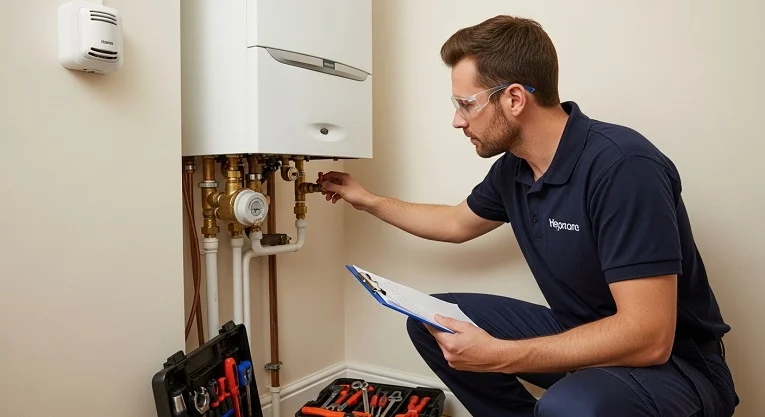
Gas safety is a top priority for landlords and property managers. Faulty gas appliances or poorly maintained systems can cause fires, gas leaks, or carbon monoxide poisoning, putting tenants’ lives at risk. To protect occupants and comply with the law, properties with gas installations must have a valid Gas Safety Certificate.
A Gas Safety Certificate is issued by a certified gas engineer after a thorough inspection of all gas appliances and pipework in a property. It confirms that each appliance is safe to use and meets regulatory standards. For rental properties, obtaining this certificate is not just best practice; it is a legal obligation in many countries.
This article explains how landlords can ensure compliance with Gas Safety Certificate requirements, common inspection issues, and best practices for maintaining safe properties.
Understanding Gas Safety Certificates
A Gas Safety Certificate serves as evidence that gas appliances in a property have been inspected by a registered professional. It includes key information such as:
- Details of each inspected appliance
- Engineer’s registration number
- Inspection date
- Any defects or repairs needed
- Confirmation that all appliances are safe to use
For landlords, this certificate protects tenants and demonstrates that legal safety obligations have been met.
Legal Requirements for Landlords
Landlords are responsible for ensuring the safety of gas appliances in rental properties. Requirements include:
- Conducting annual gas safety inspections
- Providing a copy of the certificate to tenants within a specified timeframe
- Maintaining records of inspections and certificates
- Promptly addressing any defects or unsafe appliances
Failing to comply with these regulations can result in fines, legal action, and liability for accidents.
The Gas Safety Inspection Process
Obtaining a Gas Safety Certificate involves a systematic inspection by a registered gas engineer:
- Hire a certified engineer – Only a Gas Safe registered professional can issue a certificate.
- Schedule an inspection – All gas appliances, pipework, and fittings are evaluated.
- Check for leaks and defects – Engineers inspect for gas leaks, faulty connections, and proper ventilation.
- Test appliance functionality – Appliances are tested to ensure they operate safely and efficiently.
- Issue certificate – Once all checks pass, the Gas Safety Certificate is provided.
- Address faults – Any defects must be fixed before the certificate remains valid.
This inspection ensures that all gas systems are safe and compliant with legal standards.
Common Issues Found During Gas Safety Inspections
Landlords may encounter a range of issues during inspections, including:
- Gas leaks or faulty pipework
- Blocked flues or vents
- Damaged or outdated appliances
- Carbon monoxide detector absence or malfunction
- Poor ventilation around boilers and gas equipment
Early identification of these issues helps prevent accidents and ensures tenant safety.
Tips for Maintaining Gas Safety
Regular maintenance and awareness are key to safe gas usage. Landlords should:
- Schedule annual Gas Safety Certificate inspections
- Regularly check appliances for signs of damage or wear
- Install carbon monoxide detectors near gas appliances
- Educate tenants about safe use and emergency procedures
- Maintain accurate records of all inspections, repairs, and certificates
Consistent attention to gas safety reduces risk and ensures legal compliance.
Benefits of a Gas Safety Certificate
A valid Gas Safety Certificate provides multiple advantages for landlords and tenants:
- Confirms that appliances are safe and well-maintained
- Protects tenants from gas-related hazards
- Demonstrates compliance with legal requirements
- Supports insurance coverage for rental properties
- Provides a clear record for audits or disputes
Obtaining and maintaining a certificate is essential for responsible property management.
Gas Safety for New Appliances and Installations
Any newly installed gas appliance or system must be inspected and certified before use. New installations should never be used without a valid Gas Safety Certificate, as this ensures proper installation and compliance with safety standards.
Engineers inspect new appliances for:
- Correct installation
- Proper ventilation and flue connections
- Leak-free pipework
- Safe operation
Regular certification ensures ongoing safety for tenants.
Educating Tenants on Gas Safety
Landlords should communicate key safety practices to tenants:
- Never tamper with gas appliances
- Report any faults immediately
- Ensure carbon monoxide detectors are functioning
- Follow the safety instructions provided by the engineer
Tenant education complements professional inspections and enhances overall safety.
Maintaining Records and Compliance
Keeping detailed records of Gas Safety Certificates is essential:
- Certificates should be stored securely and be easily accessible
- Copies must be provided to tenants
- Maintain a timeline of inspections, repairs, and replacements
These records demonstrate compliance and protect landlords from legal liability.
Conclusion
A Gas Safety Certificate is a vital document for rental properties, ensuring appliances are safe, functional, and legally compliant. By hiring certified engineers, addressing defects promptly, and maintaining records, landlords protect tenants and minimize risk.
Prioritizing gas safety through annual inspections, tenant education, and careful maintenance ensures a secure environment and demonstrates responsible property management.