A dead battery on a cold morning is one of the most common breakdown call-outs in the UK, and it rarely happens without warning. Most car batteries give clear signs before they fail completely, but those signs are easy to miss if you do not know what to look for.
This guide covers how long car batteries typically last in the UK, the early warning signs of a dying battery, and why British winters are particularly hard on them.
Quick Answer
Most car batteries last between 3 and 5 years in normal UK conditions, though cold winters and frequent short journeys can shorten this considerably. Warning signs of a dying battery include slow engine cranking, dim or flickering lights, a dashboard warning light, and visible corrosion on the terminals.
How Long Do Car Batteries Really Last in the UK?
In typical UK driving conditions, most car batteries last between 3 and 5 years before needing replacement. This range depends heavily on driving habits, with regular longer journeys generally being kinder to a battery than frequent short trips, since short journeys do not give the alternator enough time to fully recharge the battery each time. Cold weather, common through much of the UK winter, also places extra strain on batteries and can shorten their effective lifespan.
Battery Types and Their Lifespan
| Battery Type | Typical Lifespan | Common Use |
|---|---|---|
| Flooded lead-acid | 3 to 5 years | Standard petrol and diesel cars |
| AGM (Absorbent Glass Mat) | 4 to 7 years | Cars with stop-start technology |
| EFB (Enhanced Flooded Battery) | 4 to 6 years | Mid-range stop-start vehicles |
If your car has stop-start technology, it is worth checking which battery type is fitted, since replacing an AGM or EFB battery with a standard flooded battery can shorten its life significantly and may affect the stop-start system’s performance.
Early Warning Signs of a Dying Battery
Several signs typically appear before a battery fails completely, giving you a useful window to plan a replacement before you are left stranded.
Slow Engine Cranking
If your engine takes noticeably longer to start than usual, turning over slowly before catching, this is often one of the earliest and clearest signs that a battery is losing capacity. This symptom tends to worsen gradually over several weeks, making it easy to dismiss until the battery fails completely.
Dim or Flickering Lights
Headlights, interior lights or dashboard lights that appear dimmer than normal, particularly when the engine is idling, can indicate the battery is struggling to maintain a steady charge. Flickering lights while driving, especially over bumps, can also point to a loose connection or ageing battery.
Dashboard Battery Warning Light
Most modern cars have a dedicated battery warning light on the dashboard, usually shaped like a battery symbol. If this light appears while driving, it typically indicates a charging system issue, which could be the battery itself, the alternator, or the connection between them, and is worth having checked promptly rather than waiting.
Corrosion on Terminals
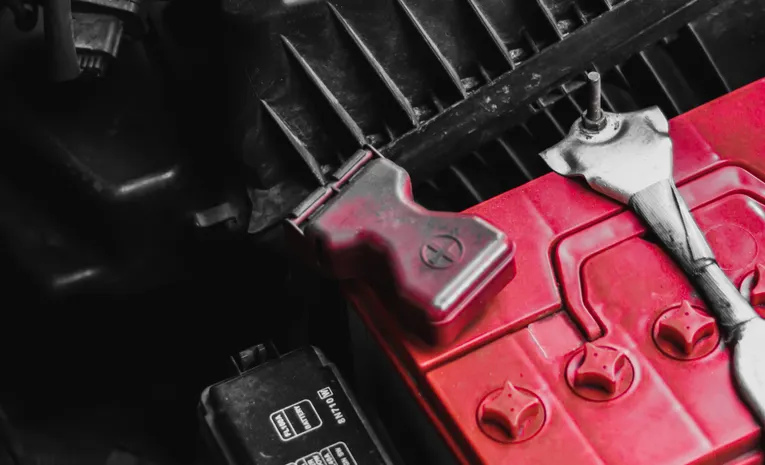
A white or bluish crusty build-up around the battery terminals is a common sign of corrosion, which can interfere with the electrical connection and cause starting problems even if the battery itself still has some life left. Cleaning corrosion carefully, or having it checked by a garage, can sometimes resolve starting issues without needing a full battery replacement.
Why UK Winters Are Especially Hard on Batteries
Cold temperatures reduce a battery’s ability to hold and deliver charge, at the same time as cold engines require more power to start. This combination means winter is when marginal batteries, ones that might have limped through milder months, are most likely to fail completely. Sudden cold snaps in particular tend to trigger a noticeable spike in battery-related breakdowns across the UK each year, catching out batteries that were already close to the end of their useful life.
How to Test Your Battery at Home
Many auto parts shops and garages offer free battery testing, which is the most reliable way to check your battery’s condition without specialist equipment. If you want to check at home, a basic multimeter can measure your battery’s voltage with the engine off, a reading of around 12.6 volts generally indicates a healthy, fully charged battery, while a reading notably below this can suggest the battery is weakening. This home test is a useful indicator but is not as thorough as a proper load test carried out by a garage.
Extending Your Battery’s Life
Taking your car on a longer drive at least once a week helps the alternator fully recharge the battery, particularly if most of your journeys are short. Turning off lights, heating and other electrical accessories before switching off the engine reduces the strain on the battery each time you start the car. Checking terminals periodically for corrosion, and cleaning them if needed, helps maintain a strong electrical connection. If your car will be unused for an extended period, a trickle charger can keep the battery topped up and prevent it from discharging completely.
Expert Insight
Mechanics often point out that short, stop-start journeys, exactly the kind common in UK towns and cities, are one of the most underestimated causes of early battery failure. A battery that only ever gets partially recharged before the engine is switched off again gradually loses capacity over time, even if the car appears to be running perfectly normally in the meantime.
Frequently Asked Questions
How do I know if my car battery is dying? Common signs include slow engine cranking, dim or flickering lights, a dashboard battery warning light, and visible corrosion on the terminals. These signs often appear gradually over several weeks before a battery fails completely.
How long should a car battery last in the UK? Most car batteries last between 3 and 5 years in typical UK conditions, though this can vary depending on driving habits, battery type, and exposure to cold weather.
Does cold weather kill car batteries faster? Yes. Cold temperatures reduce a battery’s ability to hold charge while also increasing the power needed to start a cold engine, which is why battery failures spike noticeably during cold snaps.
Can I test my car battery myself? Yes, a basic multimeter can check voltage at home, with around 12.6 volts indicating a healthy battery. For a more thorough check, most auto parts shops and garages offer free battery testing.
Why does my battery keep dying even though it’s not that old? Frequent short journeys are a common cause, since they do not give the alternator enough time to fully recharge the battery. Other possible causes include a faulty alternator, a parasitic electrical drain, or corrosion affecting the terminal connection.
Quick Symptom Checklist
- Engine cranks slowly before starting
- Headlights or dashboard lights appear dimmer than usual
- Dashboard battery warning light has appeared
- Visible corrosion around battery terminals
- Battery is more than 3 to 5 years old
- Mostly short journeys, rarely a longer drive
Recognising these signs early gives you time to test or replace your battery on your own terms, rather than discovering the problem on a cold morning when you need your car most.
For more on keeping your car reliable, see our guides on how long brake pads should last, cylinder head temperature explained, and the most common reasons cars fail their MOT.