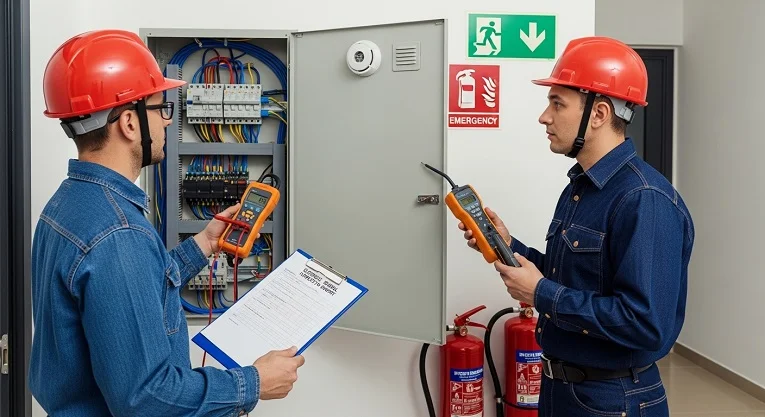
Fire Risk Assessment: Complete Guide to Fire Safety in Buildings
Fire safety is one of the most important responsibilities for property owners, landlords, and business managers. Fires can start unexpectedly and spread rapidly, causing serious damage to property and risking human lives. Many buildings contain electrical systems, heating equipment, cooking appliances, and flammable materials, which can increase the risk of fire if not properly managed.
A Fire Risk Assessment helps identify possible fire hazards and evaluate the safety measures already in place within a building. This process allows property owners to understand potential risks and take practical steps to improve fire prevention and emergency preparedness.
Understanding how fire safety inspections work is essential for maintaining safe buildings. This guide explains the purpose of fire risk evaluations, the steps involved in the inspection process, and how property owners can protect occupants from fire-related dangers.
What Is a Fire Risk Assessment
A Fire Risk Assessment is a structured process for evaluating potential fire hazards within a building. The goal of this inspection is to identify anything that could start a fire and determine whether the current fire safety measures are adequate.
During the assessment, a qualified inspector examines different areas of the property to identify sources of ignition, combustible materials, and potential obstacles that could slow evacuation during an emergency. The inspector also reviews existing fire protection systems such as smoke detectors, fire alarms, emergency lighting, and fire extinguishers.
After completing the evaluation, the inspector prepares a report outlining any risks that were discovered. The report may also include recommendations for improving fire safety practices within the building.
This type of inspection helps property owners maintain safe environments for residents, employees, and visitors.
Why Fire Safety Evaluations Are Important
Fire safety inspections play an essential role in protecting people and property. Many fires occur due to preventable issues such as faulty wiring, unattended cooking equipment, or blocked escape routes.
A Fire Risk Assessment helps identify these issues before they become dangerous. By recognizing potential hazards early, building managers can correct problems and reduce the likelihood of a fire occurring.
Another important benefit of fire safety inspections is compliance with safety regulations. Many countries require businesses and landlords to carry out regular fire safety reviews to ensure that buildings meet legal standards.
Beyond legal compliance, regular fire inspections also improve emergency preparedness. Occupants who understand evacuation procedures and have access to proper safety equipment are more likely to respond effectively during a fire emergency.
Buildings That Require Fire Safety Assessments
Fire safety inspections are recommended for many different types of properties. Some buildings have legal requirements to conduct these evaluations regularly, while others perform inspections voluntarily to maintain safety standards.
Residential apartment buildings often require fire safety reviews to ensure that residents have safe escape routes and working fire detection systems.
Commercial buildings such as offices, retail stores, and warehouses also benefit from routine safety evaluations. These buildings may contain equipment or materials that increase the risk of fire.
Hotels, restaurants, and entertainment venues must also prioritize fire safety because they frequently host large numbers of visitors.
Even homeowners can benefit from reviewing fire safety measures inside their property to ensure that smoke detectors and alarms are functioning properly.
Steps Involved in a Fire Safety Inspection
A professional fire safety inspection usually follows several steps to ensure that all potential hazards are identified.
The first step involves identifying possible ignition sources. These may include electrical equipment, heating systems, cooking appliances, or open flames. Inspectors evaluate whether these sources are properly maintained and used safely.
Next, the inspector looks for combustible materials that could fuel a fire. These materials may include paper, furniture, textiles, or chemical substances that can easily ignite.
Another important part of the inspection involves reviewing escape routes. Corridors, staircases, and exits must remain clear so occupants can evacuate quickly during an emergency.
Inspectors also examine fire detection systems such as smoke alarms and fire alarm panels. These systems must be installed correctly and maintained regularly.
Emergency lighting, fire extinguishers, and fire doors are also evaluated to ensure they function properly.
Common Fire Hazards Found in Buildings
Many buildings contain potential fire hazards that may go unnoticed without proper inspection. One common issue is overloaded electrical outlets. When too many devices are connected to a single outlet, the wiring may overheat and increase the risk of fire.
Faulty electrical wiring is another common hazard. Damaged insulation or loose connections can cause sparks that ignite nearby materials.
Blocked emergency exits are also dangerous because they can prevent occupants from escaping quickly during a fire emergency.
Improper storage of flammable materials may also increase fire risks. Chemicals, fuels, and cleaning products should always be stored according to safety guidelines.
By identifying these hazards early, property owners can take corrective action and significantly reduce fire risks.
Fire Safety Equipment That Should Be Installed
Proper fire protection equipment plays an important role in reducing the impact of a fire emergency. Smoke detectors are one of the most important safety devices in any building. These detectors provide early warning when smoke is detected, allowing occupants to evacuate quickly.
Fire extinguishers are also essential because they allow small fires to be controlled before they spread. Different types of extinguishers are designed to handle different types of fires, so selecting the correct equipment is important.
Emergency lighting ensures that escape routes remain visible if power is lost during a fire. Fire doors help contain flames and smoke within certain areas of the building.
A Fire Risk Assessment helps confirm whether this equipment is installed correctly and maintained properly.
How Often Fire Safety Inspections Should Be Conducted
Regular inspections help ensure that fire safety systems remain effective over time. Many safety experts recommend reviewing fire safety measures at least once a year.
However, inspections may need to be performed more frequently in buildings with higher fire risks. For example, commercial kitchens, factories, and warehouses may require more frequent safety evaluations due to the presence of machinery or flammable materials.
Property managers should also review fire safety procedures whenever major renovations occur or when building occupancy changes.
Maintaining up-to-date fire safety documentation helps ensure that buildings remain compliant with regulations and prepared for emergencies.
How to Prepare for a Fire Safety Inspection
Preparing for a fire safety inspection can make the process more efficient and productive. Property owners should ensure that all safety equipment is easily accessible and functioning properly before the inspection begins.
Emergency exits should be clearly marked and free from obstructions. Fire extinguishers should be mounted in visible locations and inspected regularly.
It is also helpful to review evacuation procedures with building occupants. Ensuring that everyone understands emergency exit routes and assembly points can significantly improve safety during a fire emergency.
A well-prepared property allows inspectors to perform a thorough Fire Risk Assessment and provide accurate recommendations.
Final Thoughts
Fire prevention requires careful planning and regular safety evaluations. Identifying potential hazards and ensuring that proper safety equipment is installed can significantly reduce the risk of fire-related incidents.
A Fire Risk Assessment provides valuable insight into the safety of a building and helps property owners address potential problems before they escalate.
By conducting routine inspections, maintaining fire safety equipment, and educating occupants about emergency procedures, building managers can create safer environments for everyone.
Fire safety is an ongoing responsibility that requires attention, preparation, and proactive risk management.