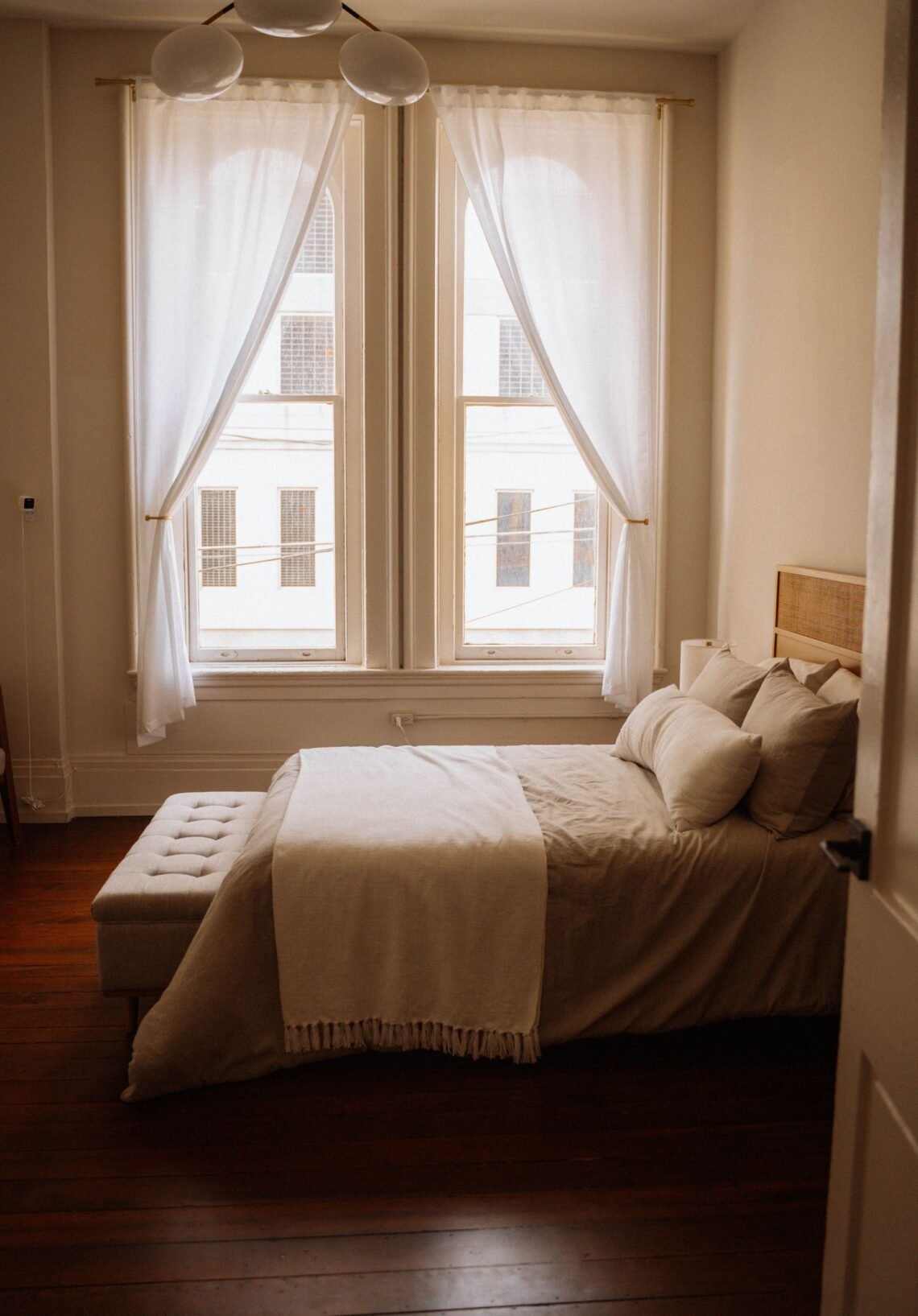
Direct answer: A calm bedroom comes from a few simple changes: soft neutral colours, proper darkness at night, less noise, comfortable bedding, and less clutter. You do not need a full renovation. Start with the bed and the light, then add small touches that make the room feel like a place to rest.
Your days are full of noise, deadlines, traffic, messages and chores. By the end of the day, your mind and body need a place to switch off. Your bedroom is that place, or at least it should be. When a bedroom is cluttered, bright, noisy or full of unfinished tasks, it is hard to relax in it, and sleep suffers.
The good news is that turning a bedroom into a calm retreat does not need a big budget. It needs a clear idea of what the room is for, and a few deliberate choices. This guide walks through them, one by one.
What colour should a calm bedroom be?
Colour sets the mood of a room more than anything else. Bright, strong colours feel energetic, which is the opposite of what you want in a bedroom. Calm, muted colours help a room feel restful.
Greens, soft blues and warm neutrals are the easiest choices for a relaxing bedroom. They feel steady and quiet, and they work with most furniture. A muted accent, such as a soft terracotta or a pale sage, can add warmth without waking the room up. If you want a stronger colour, keep it to one small item, such as a cushion or a picture, rather than a whole wall.
If repainting feels like too much, you can change the colour feel with bedding and curtains alone. Pale bedding, a light throw and curtains in a soft tone will calm a room even if the walls stay as they are.
How do you get bedroom light right for sleep?
Light is the second big lever, and it matters in two directions: darkness at night and natural light in the day.
Most people sleep better in a dark room. Good curtains make a real difference here. Blackout curtains, or a good set of lined curtains, block street light and early morning sun. Make sure they are easy to open in the morning, because daylight in the first hour after waking helps your body feel alert.
In the evening, avoid harsh overhead light. A bedside lamp with a warm bulb, or a light with a dimmer, feels much calmer than a bright ceiling light. Keep screens out of the bed if you can.
How can you make a bedroom quieter?
Sound matters as much as light. A television in the bedroom is the biggest culprit: it brings noise, light and unfinished programmes into the place where you sleep. If you can, move the television out of the bedroom entirely.
Instead, choose sounds that help you unwind. Soft music, a radio at low volume, or the sound of rain can all work. Some people like a white noise machine or a fan, which masks sudden noises from outside. The rule is simple: less is better. A quiet room is a calm room.
What bedding helps you sleep better?
Your bed is the centre of the room, so it deserves the most attention. Comfortable bedding is not a luxury; it is the point of the room.
Choose a mattress that supports you well and a pillow that suits how you sleep.
| How you sleep | Pillow to try |
|---|---|
| On your side | Thicker pillow |
| On your back | Medium pillow |
| On your stomach | Thinnest pillow |
If your pillow is older than a couple of years and has lost its shape, replace it.
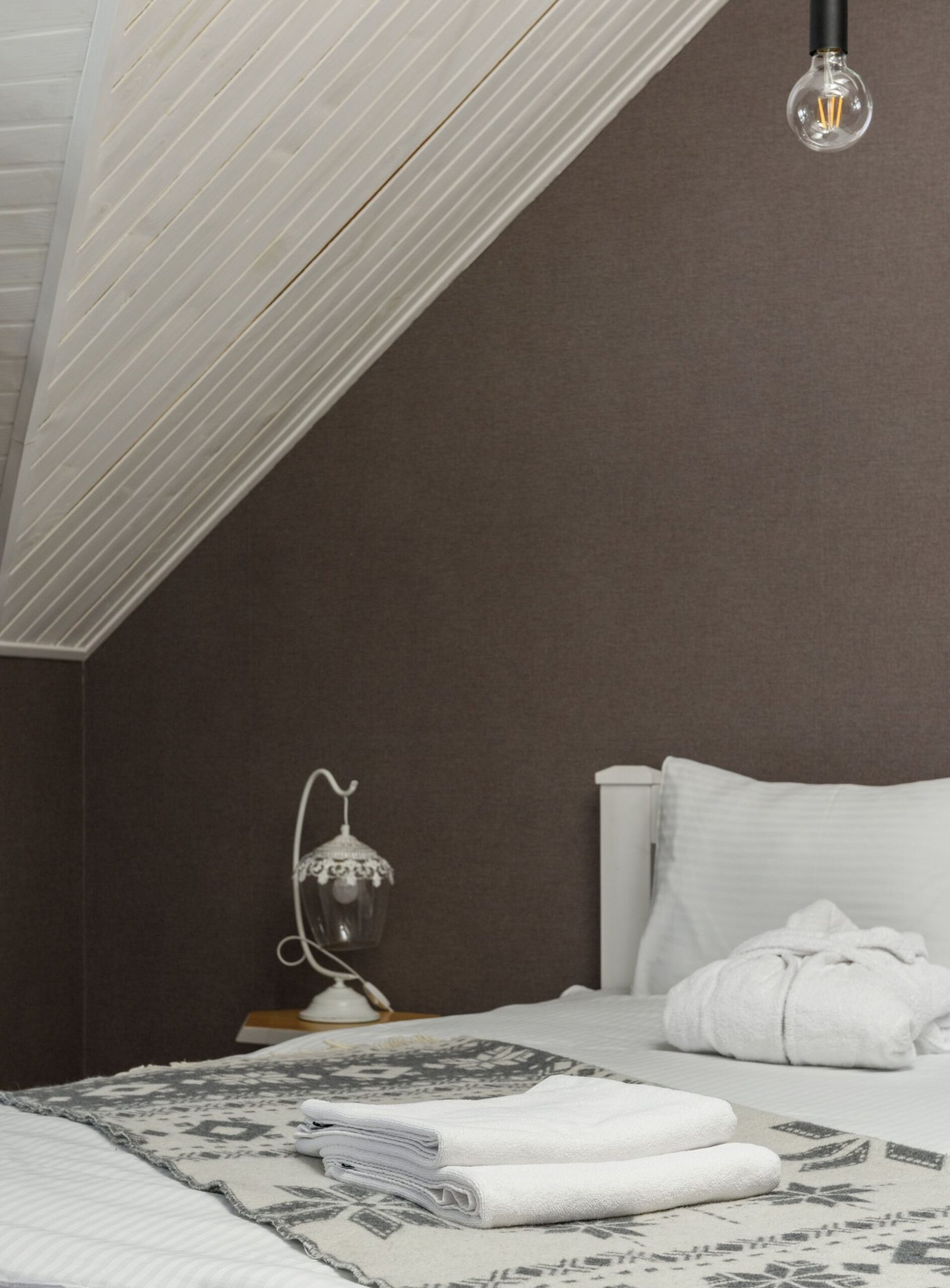
Layer the bed with textures that feel good: a soft duvet, a folded blanket at the foot of the bed, and a cushion or two. Natural fibres, such as cotton, linen and wool, breathe better than synthetic fabrics and feel more comfortable through the night. A wool blanket is a good layer for cooler months; our guide on how to wash a wool blanket shows how to care for it so it lasts for years.
Keep clutter out
Clutter creates stress, and a bedroom full of clutter is the opposite of a retreat. Clothes on a chair, paperwork on a dresser, and boxes under the bed all send the same message: there is work to do here.
Clear the surfaces first. A clear bedside table, a tidy dresser and a made bed change the whole room in ten minutes. Then deal with the wardrobe: remove clothes you no longer wear, fold what stays, and keep the floor clear. Our guide on how to store winter clothes helps with the seasonal swap, which is often when clutter builds up.
After that, keep the habit simple: put things away the same day, and do a quick five-minute tidy each evening. A room that starts clean stays calm.
Add nature and personal touches
A few natural elements make a bedroom feel softer. A small plant, a wooden frame, a woven basket or a rug in natural fibres all bring warmth without clutter. Personal touches matter too: photos that bring happy memories and artwork that feels calming make the room feel like yours. Keep them few and well chosen.
Quick reference: change, cost, effect
| Change | Cost | Effect |
|---|---|---|
| Make the bed every morning | Free | Room looks tidy all day |
| Blackout or lined curtains | Low to medium | Darker nights, better sleep |
| Warm bedside lamp | Low | Calmer evenings |
| Remove the television | Free | Quieter, darker room |
| Clear surfaces daily | Free | Less visual stress |
| Fresh bedding and a wool blanket | Low to medium | More comfort, better warmth |
| One plant or natural touch | Low | Softer, more relaxed feel |
Frequently asked questions
What colour is best for a calm bedroom?
Soft greens, blues and warm neutrals work best for most people. Avoid bright reds and oranges on large areas, and keep bold colours to small accents.
Should I keep my phone out of the bedroom?
It helps. A phone brings light, noise and unfinished tasks into the room. If you need an alarm, use a simple alarm clock and charge the phone elsewhere.
How can I make my bedroom feel cosy without spending much?
Make the bed properly, add a soft blanket, clear the surfaces, and use a warm bedside lamp. These four changes cost little and make the biggest difference.
What if I still sleep badly after changing my bedroom?
A calm room helps, but it does not fix every sleep problem. If poor sleep continues for weeks, or you feel very tired during the day, speak to your GP.
Conclusion
A stress-free bedroom is not about expensive furniture or a perfect look. It is about a room that does one job well: helping you rest. Soft colours, proper darkness, quiet, comfortable bedding, and less clutter are all you need. Start with the bed and the light, add one change a week, and the room will slowly become the retreat you need at the end of a busy day.
For more ideas on fixing the rest of the house, read our guide on simple solutions to common home decorating problems.