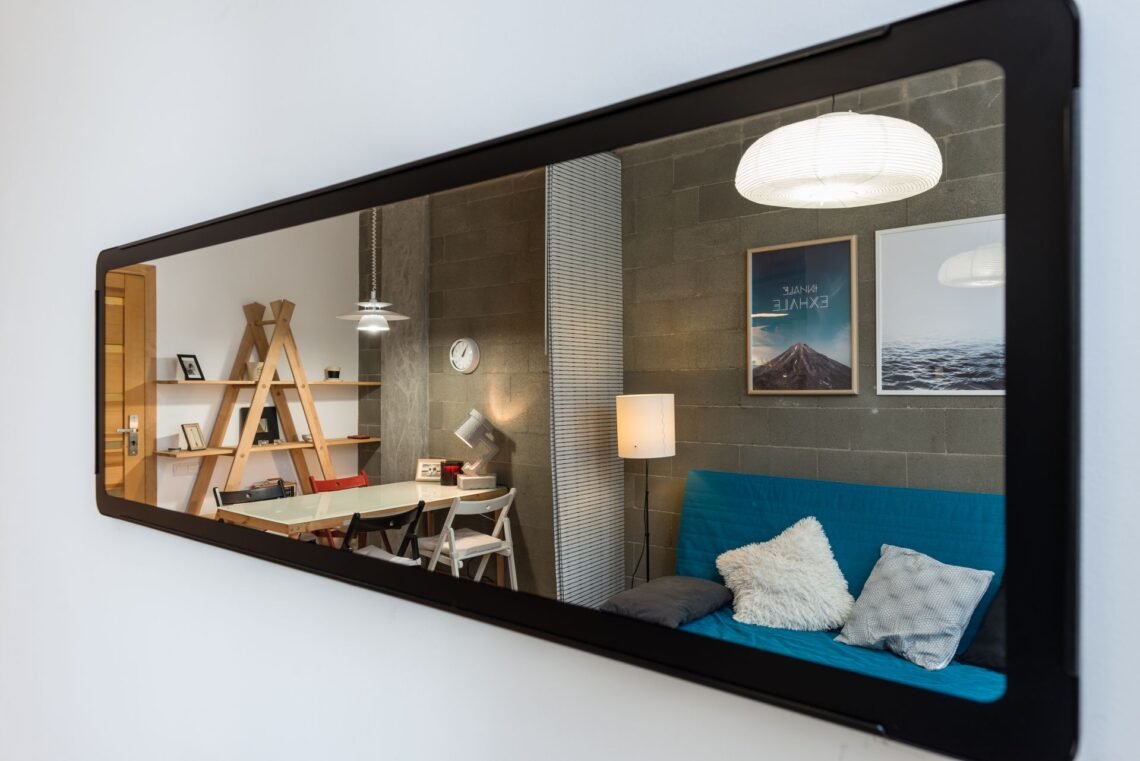
Direct answer: Most decorating problems have simple fixes. A small room feels bigger with mirrors, light colours and less furniture. Clutter shrinks with a weekly tidy-up and proper storage. A confusing colour scheme settles down when you pick three colours and use them in a 60-30-10 ratio. You do not need a big budget, just a clear plan.
Every home has a room that never quite works. It feels too small, too dark, too cluttered, or the colours fight each other. The good news is that the most common decorating problems are also the easiest to fix, and most solutions cost little or nothing. This guide covers the problems homeowners run into most often, with practical fixes you can start this weekend.
How can I make a small room feel bigger?
A small room feels cramped when it is overfilled, dark, or cut up by too many small pieces of furniture. The fix is to make the eye travel further.
Use mirrors. A large mirror opposite a window doubles the light and creates the illusion of another room beyond the wall. It works especially well in a small hallway or a narrow living room. One large mirror has more impact than several small ones.
Use light and layers of light. A single ceiling light leaves corners dark, which makes a room feel smaller. Add a floor lamp, a table lamp or wall lights so the light reaches every corner.
Choose fewer, bigger pieces. Three small chairs and two small tables fill a room without giving it anything useful. One comfortable sofa and one good table usually serve better and leave floor space visible, which makes the room feel larger.
Keep the floor visible. Furniture with legs, rather than pieces that sit flat on the floor, lets you see more of the floor, which tricks the eye into thinking the room is bigger.
How do I fix a room with too many paint colours?
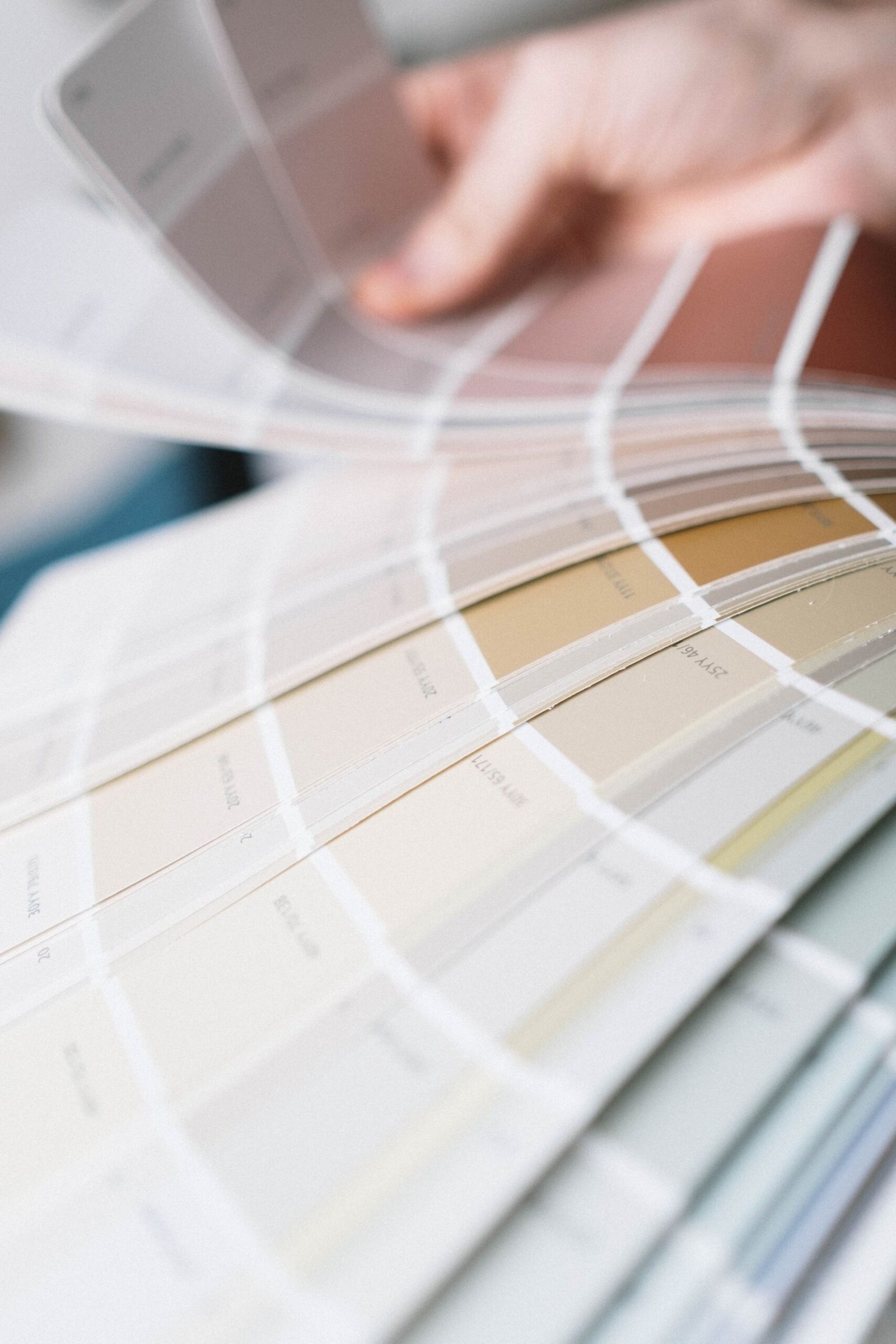
Choosing a colour scheme can feel overwhelming, especially when every paint chart offers hundreds of shades. The fix is to limit yourself.
Start with two or three colours you genuinely like, and use them in a 60-30-10 ratio, as shown below.
| Part of the room | Share | Example |
|---|---|---|
| Main colour | About 60 percent | Walls |
| Second colour | About 30 percent | Sofa, curtains, large furniture |
| Accent colour | About 10 percent | Cushions, art, a lamp |
This ratio keeps the room balanced without making it boring.
If you prefer a calmer look, use a neutral colour for most of the room and add one bold colour in small accents, such as a red cushion or an emerald green throw. If you like colour, complementary pairs work well together: blues with warm oranges, or purples with soft yellows.
Before you commit, paint a test patch on the wall and live with it for a few days. Colours change with the light.
How do I clear clutter for good?
Clutter makes a room look messy, smaller and harder to relax in, even when the room itself is fine. The fix is routine, not a single big clear-out.
Put things away straight away. The single most effective habit is to return things to their proper place as soon as you finish with them. It takes seconds in the moment and saves an hour of tidying later.
Schedule a mini declutter once a week. Pick one area, such as a shelf or a drawer, and spend 15 minutes on it. A weekly rhythm keeps clutter from building up to the point where it feels impossible.
Give everything a home. If an item has no proper place, it will end up on a table or a chair. Add hooks, baskets and boxes where things naturally land: by the door for keys and bags, in the living room for remotes and chargers.
Problem 4: the layout does not work
An awkward layout usually means the furniture is fighting the room instead of following it. The fix starts with the largest piece.
Place the biggest item first, usually the sofa or the bed, against the longest wall or facing the main feature, such as a window or a fireplace. Then arrange the rest around it, leaving clear paths to doors and windows. A room needs at least one clear walkway, or it will always feel awkward.
Measure before you move anything heavy. Our guide on how to measure a room for furniture shows how to plan a layout on paper first, which saves a lot of lifting.
Problem 5: the room feels dark
A dark room is often a lighting problem, not a size problem. Start by making the most of the natural light: clean the windows, use light curtains that let light through, and avoid tall furniture in front of windows.
Then add light in layers. A ceiling light on its own leaves shadows. Add a floor lamp in a dark corner, a table lamp near the sofa, and a small light over a picture or a shelf. Mirrors help here too, because they bounce the light you have further into the room.
If the walls are dark, a lighter paint or a light wallpaper can transform the room. Our guide on wallpapers’ stylish comeback explains which light patterns work best in rooms with little natural light.
Quick reference: problem, fix, first step
| Problem | Simplest fix | First step today |
|---|---|---|
| Room feels too small | Mirror, light colours, fewer pieces | Hang one large mirror opposite a window |
| Too many colours | Three colours in a 60-30-10 ratio | Pick your three colours and test one on the wall |
| Clutter | A home for everything, weekly tidy | Clear one surface completely |
| Awkward layout | Largest piece first, clear walkway | Sketch the room and plan on paper |
| Dark room | Layered light, light curtains | Add a floor lamp to the darkest corner |
Frequently asked questions
What is the cheapest way to refresh a room?
Start with what costs nothing: declutter, rearrange the furniture, and clean the windows. After that, paint is the cheapest big change, followed by new cushion covers and a rug.
How do I choose a colour scheme without making a mistake?
Pick three colours you like, use the 60-30-10 ratio, and test a sample on the wall for a few days before you buy full tins. Neutral walls with bold accents are the safest choice if you are unsure.
How can I make a small room look bigger on a budget?
Use a large mirror, light wall colours, and furniture with legs so you can see the floor. Remove one piece of furniture rather than adding one.
Should I buy new furniture or refresh what I have?
Refresh first. Slipcovers, new cushions, paint and better lighting can transform most rooms for a fraction of the cost of new furniture.
Conclusion
Decorating problems feel bigger than they are because they pile up. Take them one at a time: make the room feel larger, settle the colours, clear the clutter, fix the layout, and add light. Most of these fixes cost little and take a weekend at most.
For a calm room to sleep in once the decorating is done, read our guide on how to create a stress-free bedroom retreat.